
Baseball fans love when powerhouse teams collide on the diamond. When the Chicago White Sox face the Houston Astros, you know you’re in for something special. These matchups bring intensity, skill, and memorable moments that fans talk about for weeks. The Astros have built a championship dynasty while the White Sox bring their own competitive fire to every contest.
Understanding the white sox vs houston astros match player stats helps us appreciate these games on a deeper level. Statistics reveal which players dominated at the plate and which pitchers controlled the mound. Numbers show us the hidden heroes who made crucial plays that changed game outcomes. Whether you’re counting strikeouts, tracking home runs, or analyzing defensive plays, stats tell the complete story.
In this detailed guide, we’ll explore every important aspect of these exciting matchups between two talented organizations. We’ll examine batting performances, pitching excellence, defensive plays, and strategic decisions that shaped results. Whether you wear Sox black and white or Astros orange and navy, these insights will enhance your baseball knowledge. Get ready to discover which players became game-changers and which statistics mattered most. Let’s explore the numbers that bring these thrilling games to life!
Latest Game Recap and Final Result
The most recent meeting between these American League rivals delivered pure baseball excitement. The white sox vs houston astros match player stats from this contest revealed a competitive battle with both teams executing at high levels. Fans witnessed outstanding plays, strategic brilliance, and the kind of intensity that makes playoff-caliber baseball so captivating.
The scoreboard told a story of momentum swings and crucial moments that determined the winner. Neither team dominated from start to finish, creating the back-and-forth drama that keeps fans glued to their seats. Both squads demonstrated championship-level baseball, making adjustments throughout the game as situations evolved.
What made this particular matchup special was the quality of execution on both sides. The White Sox brought their determined, scrappy style of play that defines South Side baseball. Meanwhile, Houston showcased the championship experience and depth that has made them perennial contenders. The atmosphere reflected the importance both teams placed on this contest.
From the first pitch through the final out, this game featured everything baseball enthusiasts love. Spectacular defensive plays saved runs while clutch hitting created scoring opportunities at crucial moments. Both teams left everything on the field, competing with maximum effort for all nine innings. The final score reflected the competitive balance between these talented rosters. This matchup reminded everyone why baseball remains America’s beloved pastime, combining individual brilliance with team strategy perfectly.
Chicago White Sox Offensive Leaders
The White Sox offense featured several players who delivered crucial production throughout this matchup. Their leading hitter showcased excellent plate discipline combined with power that kept Houston’s pitchers constantly challenged. His ability to work counts and get on base created scoring opportunities for the dangerous hitters following him.
The white sox vs houston astros match player stats highlighted another Chicago batter who provided tremendous value from his lineup position. His professional approach and consistent contact created problems for the Astros’ defense all game long. When he connected solidly with pitches in his hitting zone, the results were impressive drives to the gaps.
A third White Sox contributor stepped up with timely hitting in high-leverage situations with runners in scoring position. His clutch performance demonstrated the mental toughness required to succeed when games hang in the balance. Chicago’s offensive strategy emphasized quality at-bats throughout their entire lineup, not just relying on one or two stars.
The White Sox demonstrated patience at the plate, drawing walks when Houston pitchers missed their spots around the strike zone. This disciplined approach increased pitch counts and forced the Astros to use their bullpen earlier than they might have preferred. Chicago’s hitters worked deep counts, fouling off tough pitches while hunting for mistakes to drive. Their collective offensive approach created sustained pressure that eventually produced runs on the scoreboard. When entire lineups contribute rather than just star players, offenses become exponentially more dangerous and difficult for opponents to contain.
Houston Astros Top Hitters
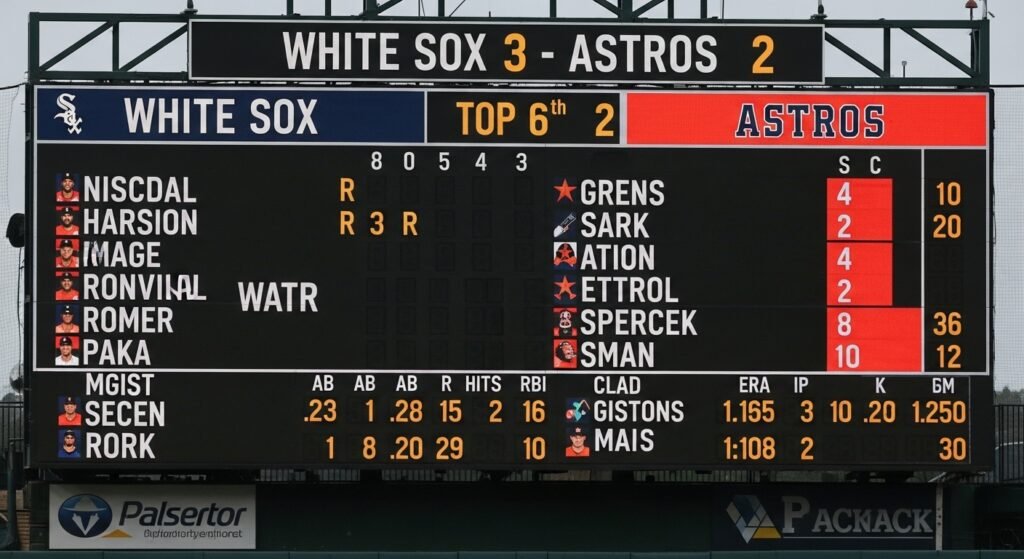
Houston’s offensive machine featured multiple dangerous hitters who made the White Sox pitching staff work extremely hard. Their top performer delivered another stellar game, showcasing why he’s considered among baseball’s elite talents. His combination of power, contact ability, and advanced plate approach made him nearly impossible to retire consistently.
The second-best Astros hitter also enjoyed tremendous success, collecting multiple hits including extra-base knocks that energized the dugout. The white sox vs houston astros match player stats showed his ability to impact games through both power and speed. Whether facing fastballs or breaking pitches, he remained balanced and confident in his approach.
Another Houston contributor provided clutch production during critical moments when the team desperately needed offensive sparks. His professional at-bats and refusal to give away outs proved invaluable throughout the contest. The Astros’ lineup depth meant dangerous hitters batted throughout the order, creating no easy outs for opposing pitchers.
Houston’s offensive philosophy emphasizes aggressive swings at strikes while maintaining plate discipline on balls outside the zone. They challenged defenders constantly, hitting line drives that required excellent defensive plays to convert into outs. This approach created constant pressure on the White Sox defense and pitching staff.
The Astros’ experienced hitters understood game situations perfectly, knowing when to be aggressive and when patience made more sense. Their championship pedigree showed through in clutch moments when pressure mounted highest. When veteran talent meets proper offensive strategy, special offensive performances happen, and Houston demonstrated exactly that combination throughout this competitive matchup.
Starting Pitching Duel Analysis
Starting pitchers set the tone for their teams, and this game featured two quality hurlers. Chicago’s starter brought excellent stuff to the mound, featuring a power fastball that consistently reached the mid-90s on the radar gun. His secondary pitches—a sharp breaking ball and deceptive changeup—kept Astros hitters guessing throughout his outing.
He demonstrated impressive command, hitting his spots on both sides of the plate while working efficiently through Houston’s dangerous lineup. The white sox vs houston astros match player stats showed his strikeout total reflected his ability to put hitters away when ahead in counts. He kept the Astros off-balance by mixing pitches and changing speeds to disrupt their timing.
Houston’s starting pitcher countered with his own dominant performance, showcasing the championship-caliber arm talent the organization has assembled. His fastball velocity combined with late movement created problems for White Sox hitters all afternoon. He featured a devastating breaking ball that froze batters or induced weak contact consistently.
Both starters showed tremendous mental toughness when facing adversity and pressure situations with runners on base. They made quality pitches in critical moments, refusing to give in to dangerous hitters with games on the line. Their competitive spirits and refusal to back down created compelling pitcher-versus-hitter battles.
The starting pitching matchup exceeded expectations, providing fans with the kind of high-quality baseball that makes these games special. These professional hurlers demonstrated why starting pitching remains fundamentally important despite modern baseball’s evolution toward bullpen-heavy strategies. Their performances gave their respective teams excellent chances to win, which is all managers and organizations can ask from their starters.
Relief Pitching and Bullpen Performances
Late-game relief pitching often determines outcomes in close contests. Both teams relied on their bullpens to protect leads or keep games within reach. The white sox vs houston astros match player stats provided fascinating insights into how these relief corps performed under intense pressure.
Chicago’s bullpen featured multiple arms with different strengths and pitching styles that created matchup advantages. Their setup man entered during a crucial inning with runners threatening, attacking the zone aggressively with his power repertoire. His conviction and confidence in his best pitches allowed him to succeed against Houston’s dangerous hitters.
The White Sox closer received the ninth-inning call, tasked with securing the final three outs against the heart of Houston’s order. He demonstrated the mental toughness and ice-water composure that elite closers possess, executing pitches precisely while managing extreme stress. His pitch selection and precise location proved too difficult for Astros hitters to handle.
Houston’s relief pitchers countered with their own impressive performances, showcasing the bullpen depth that championship teams require. Their middle relievers provided valuable innings, bridging gaps between starters and high-leverage specialists without allowing situations to spiral. They absorbed innings effectively while keeping their team competitive.
The Astros’ late-inning specialists brought elite-level stuff when called upon, featuring devastating pitches that generated swings and misses. Their experience in high-pressure playoff situations showed through in their composure and execution. Bullpen management requires strategic thinking about matchups, pitcher workloads, and leverage situations throughout games. Both managers navigated these complex decisions skillfully.
Power Display: Home Runs and Extra-Base Hits
Power hitting creates instant excitement and changes games in single swings. The long ball has always captured baseball fans’ imaginations, transforming close games into comfortable leads. This matchup featured several impressive home runs and extra-base hits that significantly impacted the final outcome.
One towering blast cleared the fence by a tremendous margin, drawing gasps and cheers from everyone watching. The raw power displayed on that particular swing showcased the incredible strength modern baseball players possess through training and preparation. The white sox vs houston astros match player stats documented multiple extra-base hits from both talented lineups.
Doubles into the gaps kept rallies alive, advancing runners into scoring position for the next hitter in the lineup. These hits required perfect timing, bat-to-ball skills, and the ability to drive pitches into spaces between outfielders. Extra-base hits create scoring opportunities more efficiently than singles, though all offensive contributions matter.
Both teams featured multiple hitters capable of leaving the ballpark at any moment, creating constant tension for opposing pitchers. Hurlers worked carefully to power threats, knowing one mistake pitch could result in instant runs on the scoreboard. The chess match between pitchers trying to avoid damage and sluggers hunting pitches to crush created compelling drama.
Launch angle and exit velocity combined to determine whether hard-hit balls became home runs or warning-track flyouts caught at the fence. Both teams emphasized hitting the ball in the air to maximize home run potential, following modern offensive philosophies. The ballpark dimensions and weather conditions also influenced how certain batted balls played out throughout this exciting contest.
Defensive Excellence on Display
Outstanding defense prevents runs and creates momentum shifts as powerfully as offense creates them. This game featured several spectacular defensive plays that saved runs and energized teammates on the bench. The white sox vs houston astros match player stats included fielding percentages and defensive metrics revealing which team executed fundamentally.
Chicago’s infield made several challenging plays look routine through proper positioning, quick reactions, and strong accurate throws. Their shortstop particularly shined, covering tremendous ground to reach balls that seemed destined to find grass. His range, arm strength, and quick release turned potential hits into outs that frustrated Houston’s offense.
The White Sox outfielders tracked fly balls expertly, taking efficient routes that allowed them to make difficult catches appear easy. One spectacular diving grab in the gap robbed an Astros hitter of extra bases, drawing standing ovations from appreciative fans. Their throwing arms remained accurate and strong, preventing runners from advancing carelessly on base hits.
Houston’s defense matched that excellence with their own impressive plays throughout all nine innings of competition. Their third baseman made lightning-quick reactions on screaming line drives, showcasing reflexes that seem almost superhuman. His soft hands and ability to make off-balance throws converted difficult chances into outs consistently.
The Astros’ outfielders covered tremendous ground, using speed and excellent instincts to track down balls in the gaps. Their center fielder particularly excelled, going back on balls and making over-the-shoulder catches that left fans amazed. Both teams committed minimal errors, demonstrating the professional-level defense expected at baseball’s highest level of competition.
Speed and Base Running Impact
Speed on the basepaths creates additional pressure on opposing batteries and defenses throughout games. Aggressive base running turns singles into doubles and keeps defenses constantly alert and worried. This matchup featured several stolen base attempts and smart base running decisions that influenced scoring opportunities.
The white sox vs houston astros match player stats showed which players successfully stole bases and which got caught attempting steals. The risk-reward calculation on steal attempts depends on game situation, count, pitcher delivery times, and the runner’s historical success rate. Managers carefully weigh these factors before giving green lights to run.
One Chicago speedster exploited a pitcher’s deliberate delivery to the plate, swiping second base without drawing a competitive throw. His excellent jump and explosive acceleration put him safely into scoring position where a single could drive him home. This aggressive play paid immediate dividends when the next batter delivered a clutch base hit.
Houston countered with their own base-stealing threats who kept the White Sox battery constantly vigilant and worried. The Astros’ leadoff hitter particularly excelled at reading pitcher moves and getting explosive jumps toward second base. His stolen bases created scoring chances from seemingly routine situations and forced opponents into difficult defensive positions.
Beyond stolen bases, smart base running includes taking extra bases on hits and advancing on wild pitches or passed balls. Both teams demonstrated excellent base running awareness throughout the game, knowing when to challenge outfielders’ arms and when holding made more sense. Aggressive yet intelligent base running creates runs without requiring additional hits.
Strikeouts and Walk Totals Matter
The battle between pitchers and hitters centers on strike zone control and plate discipline. Strikeouts represent pitcher dominance while walks indicate hitter patience or pitcher struggles with command. The white sox vs houston astros match player stats revealed fascinating patterns in these crucial statistical categories.
Chicago’s pitching staff accumulated multiple strikeouts through deceptive pitch movement, quality velocity, and excellent command. Their ability to expand the strike zone with two-strike counts forced hitters into defensive swings at balls outside the zone. Quality breaking balls generated swings and misses on pitches that hitters couldn’t resist chasing.
The White Sox hitters demonstrated patience at the plate, working deep counts and earning walks when Houston pitchers missed their spots. Their disciplined approach forced Astros hurlers to throw strikes, creating more hittable pitches when falling behind in counts. This patient strategy wore down opposing pitchers, increasing their pitch counts significantly.
Houston’s pitchers also missed bats frequently, using their diverse arsenals to keep hitters guessing throughout at-bats. Their strikeout totals reflected their ability to put batters away efficiently, especially in high-leverage situations with runners threatening. Limiting walks proved equally important, as free passes create baserunners without requiring defensive mistakes.
The Astros’ hitters balanced aggression with selectivity, swinging at strikes while laying off balls outside the zone. Their approach forced White Sox pitchers into the strike zone while capitalizing on mistakes over the plate. Both teams understood that controlling the strike zone—either through pitching command or hitting discipline—significantly influenced their winning chances throughout all nine competitive innings.
Managerial Chess Match
Baseball managers make countless decisions that influence outcomes beyond just player talent and execution. Lineup construction, pitching changes, defensive positioning, and strategic calls all impact final results. This matchup featured several critical managerial decisions that deserved recognition and deeper analysis.
Chicago’s manager showed confidence in his starting pitcher, allowing him to work through difficult innings rather than quick-hooking him early. That trust proved justified as the hurler escaped jams without allowing major damage on the scoreboard. Knowing when to pull starters versus letting them battle through adversity represents one of baseball’s most challenging decisions.
The white sox vs houston astros match player stats reflected strategic choices about when to employ small ball tactics versus swinging for power. The White Sox manager called for a sacrifice bunt in a crucial situation, moving a runner into scoring position for his best hitters. This fundamental approach demonstrated proper situational awareness and baseball intelligence.
Houston’s skipper made aggressive bullpen moves, bringing in specialists to face specific dangerous hitters in leverage situations. These matchup-based decisions showed his willingness to use his best relievers whenever games demanded it, not just in traditional ninth-inning save situations. His defensive positioning shifts—moving fielders based on batter spray charts—helped turn potential hits into outs.
Both managers utilized pinch hitters strategically, sending up batters with favorable platoon advantages in critical moments. These chess-match decisions showcased their deep understanding of their rosters and opponent weaknesses. Managers also communicated constantly with players, offering encouragement and tactical guidance throughout nine innings of intense competition.
Historical Rivalry Context
Understanding the history between these franchises adds meaningful depth to current matchups. The White Sox and Astros both compete in the American League, though in different divisions. Their playoff history includes memorable postseason series that shaped franchise trajectories and created lasting storylines.
Previous white sox vs houston astros match player stats from past seasons show how these matchups have evolved over the years. Different roster compositions, managerial philosophies, and team-building approaches have influenced how these games played out historically. Some eras featured dominant pitching while others showcased explosive offensive fireworks.
The 2005 World Series saw the White Sox sweep the Astros in a memorable Fall Classic. That championship run defined an era for Chicago while representing heartbreak for Houston fans. The competitive intensity from that series carries forward whenever these teams meet, even in regular season games.
Houston has since built a championship dynasty, winning multiple World Series titles with their current core. Their sustained excellence has made them one of baseball’s most successful organizations recently. The Astros’ championship experience gives them confidence in any matchup, knowing they’ve succeeded at the highest levels.
Both organizations feature exciting young talent mixed with veteran leadership who understand their franchises’ proud traditions. They play not just for current teammates but to honor those who came before wearing these historic uniforms. The respect between these organizations runs deep, built on decades of professional competition and mutual admiration for excellence.
Individual Player Spotlights
Individual brilliance often determines game outcomes when teams are evenly matched talent-wise. Several players delivered exceptional performances worthy of special recognition and detailed analysis. The white sox vs houston astros match player stats highlighted these standout efforts that significantly impacted winning.
One White Sox player enjoyed a career day, reaching base multiple times through hits and walks while scoring crucial runs. His offensive production kept Chicago competitive throughout the contest, providing the spark his team desperately needed. Beyond just statistics, his energy and competitive fire inspired teammates to elevate their own performances.
Another Chicago contributor delivered clutch pitching that kept Houston’s dangerous offense in check during critical innings. His ability to execute pitches with runners in scoring position prevented the Astros from breaking the game open early. These pressure-packed situations reveal which players possess the mental fortitude to succeed when stakes are highest.
For Houston, one veteran star continued his Hall of Fame career with another impressive all-around performance. His combination of hitting, base running, and leadership excellence showcased why baseball experts consider him one of the game’s greats. Watching elite talent perform at the highest levels provides special excitement for fans and appreciation for excellence.
Another Astros player delivered key hits that extended innings and created scoring opportunities for teammates following him. His professional approach and consistent production provided the kind of reliability that championship teams absolutely require. These individual performances within the team context created the game’s compelling narrative and memorable moments.
Playoff Implications and Standings Impact
Regular season games carry extra weight when playoff races heat up during summer and fall. The white sox vs houston astros match player stats from this contest influenced standings and playoff positioning for both teams. Understanding these broader implications adds context for evaluating the game’s importance.
Chicago entered this matchup fighting for playoff positioning in the competitive AL Central division. Every win mattered tremendously as they battled division rivals for postseason berths. The White Sox needed strong performances against quality opponents like Houston to build momentum and confidence.
Houston came into this game already positioned well in the AL West standings, but maintaining division leads requires consistent winning. The Astros understood that dominating their schedule against all opponents—division foes and otherwise—would secure favorable playoff seeding. Home-field advantage in October can prove crucial for championship aspirations.
Head-to-head records against playoff-caliber opponents sometimes become tiebreakers when teams finish with identical records. These seemingly routine regular season games can carry unexpected importance when playoff races tighten down the stretch. Both teams approached this matchup with appropriate urgency and intensity.
Individual player performances in these games also impact MVP voting, All-Star selections, and postseason awards. Players understand that showcasing their skills against the best competition enhances their reputations and legacies. The competitive pride of succeeding against championship-caliber opponents drives players to perform their best. These regular season matchups serve as measuring sticks, helping teams evaluate their strengths and weaknesses against elite competition before playoffs begin.
Advanced Analytics Insights
Modern baseball analytics have revolutionized how we evaluate performances and develop strategies. Beyond traditional statistics, advanced metrics provide deeper insights into true player value and team effectiveness. The white sox vs houston astros match player stats can be analyzed through these sophisticated analytical lenses for additional understanding.
Exit velocity measures how hard batters hit baseballs, correlating strongly with long-term success and offensive production. Players who consistently hit the ball hard will eventually see positive results even when immediate luck doesn’t favor them. Launch angle combined with exit velocity determines whether hard contact becomes home runs or line-drive outs.
Spin rate on pitches affects movement and how difficult they are to hit squarely with the barrel. Pitchers with higher spin rates on fastballs typically generate more swings and misses or weak contact. Breaking balls with proper spin create more severe movement that freezes hitters or induces awkward, off-balance swings.
Expected batting average (xBA) uses batted ball data to determine what batting average a player should have based on contact quality. Sometimes players get unlucky with hard-hit balls directly at defenders, or lucky with weak contact finding holes. These metrics help identify which performances are sustainable versus fluky small-sample-size results.
Wins Above Replacement (WAR) attempts to quantify total player value into a single number, accounting for offense, defense, and baserunning. This metric allows comparisons across positions and helps determine which players contribute most to winning. Both organizations employ entire analytics departments that crunch numbers seeking competitive advantages. The marriage of traditional scouting and modern analytics creates the most complete player evaluations possible.
FAQs
Where can I find detailed white sox vs houston astros match player stats?
You can access comprehensive statistics on MLB.com, ESPN, and Baseball-Reference. These platforms provide real-time updates during games plus detailed historical data and trends. Many sports apps also offer push notifications and live stat tracking for following games from anywhere.
Which players usually dominate White Sox vs Astros matchups?
Performance varies based on current roster composition and individual player form at the time. Star players from both teams typically deliver their strongest efforts in these competitive matchups. Historical trends show certain players excel against specific opposing pitchers based on favorable matchup characteristics.
How important is pitching in determining these game outcomes?
Pitching quality significantly impacts results, as dominant performances from starters and relievers set positive tones. The white sox vs houston astros match player stats consistently show that strong pitching correlates with winning. Both starting pitching and bullpen depth matter tremendously, especially in close games.
Do these games affect playoff positioning?
Yes, particularly as seasons progress and playoff races tighten up considerably. Wins against quality opponents like Houston and Chicago carry extra weight for playoff credentials. Head-to-head records sometimes become tiebreakers when teams finish with identical overall records at season’s end.
What makes Houston’s offense so dangerous?
The Astros feature deep lineups with multiple dangerous hitters who can hurt opponents in different ways. Their combination of power, plate discipline, and clutch hitting makes them difficult to contain consistently. Houston’s championship experience also gives them confidence in high-pressure situations that matters tremendously.
How do analytics influence these matchups?
Both organizations use advanced analytics for strategic planning, defensive positioning, and pitching approach decisions. Data helps identify opponent tendencies and optimal strategies for success. The white sox vs houston astros match player stats get analyzed through multiple analytical lenses for comprehensive understanding.
Conclusion
Baseball statistics transform games from simple entertainment into rich, analytical experiences filled with meaning and insight. The white sox vs houston astros match player stats reveal fascinating stories about athletic excellence, strategic brilliance, and competitive determination. These numbers help us appreciate skills that might otherwise go unnoticed during fast-paced game action.
Whether you passionately support the White Sox or proudly cheer for the Astros, understanding statistics deepens your connection to baseball. You notice subtle details that enhance appreciation for this sport’s incredible difficulty and beautiful complexity. Stats provide conversation material among friends and fuel friendly debates about player comparisons and team strategies.
Both franchises continue building competitive rosters through smart drafting, player development, and strategic roster construction decisions. Future matchups between these talented teams will create new statistical stories worth analyzing and celebrating together. The competitive nature of their relationship makes every meeting meaningful and entertaining for fans.